
The Pest Free Pipe Dream? A Reality Check from the Tākaka Hill Biodiversity Group Trust
New Zealand’s goal of becoming predator-free by 2050 is one of the most ambitious conservation targets in the world. It’s a vision that has captured the imagination of communities, scientists, funders, and government agencies alike. The recent success of projects like Predator Free South Westland (PFSW) and the cutting-edge innovations from the ZIP (Zero Invasive Predators) initiative are shining examples of what’s possible when determination, technology, and investment come together. These projects have removed stoats, rats, and possums from large swathes of land, sometimes over 100,000 hectares, and helped restore native habitats in ways once thought impossible.
But as much as these achievements inspire hope, they also highlight how complex and challenging predator control really is. From the perspective of the Tākaka Hill Biodiversity Group Trust, the realities on the ground here on Tākaka Hill present a much tougher set of circumstances.
Landscapes of Complexity
Unlike some of the more isolated or rugged areas where large-scale predator eradication has been attempted, Tākaka Hill’s environment is a mosaic of private properties, public conservation land, farms, and small communities. This patchwork means there is no single, natural boundary to contain pests or to prevent reinvasion. It also means that collaboration among many different landowners and stakeholders is critical but often difficult to coordinate.
Also, pests are only part of the story. Feral deer, goats, and pigs are widespread here and wreak havoc on native forests by destroying understorey plants that native birds and insects rely on. At the same time, invasive plants, especially wilding pines, continue to spread aggressively, altering ecosystems and making restoration harder.
The Cost and Challenge of Eradication
Removing the “last 20 per cent” of pests is notoriously difficult and expensive. While innovative projects like ZIP have benefited from tens of millions of dollars in funding and AI-driven traps, most community groups across New Zealand, including ours, operate on limited budgets and rely heavily on volunteer labour.
This means that while we can make good progress removing pests, sustaining these efforts and pushing to complete eradication is a massive hurdle. Technology and funding need to become more accessible to grassroots efforts, or we risk leaving many areas only partially protected.
The price tag for nationwide predator eradication is staggering. Estimates suggest between $8 and $10 billion will be needed to achieve Predator Free 2050. At the same time, government investment in conservation has been falling, not rising, with cuts to overall environmental spending making the challenge even more daunting.
Beyond Predators: The Bigger Picture
It’s vital to recognise that focusing solely on a limited number of predators does not address the full scope of threats facing New Zealand’s native biodiversity. Feral ungulates continue to degrade habitat by browsing native shrubs and trees. Wilding pines spread rapidly, altering soil, fire regimes, and native ecosystems. Invasive invertebrates, such as wasps, also disrupt native species.
A truly effective conservation strategy must integrate control of all these threats, or restoration gains will be short-lived.
Biodiversity needs to be seen as more than just a bottomless pit that has money poured into it - it’s not just about spending money and making money; the economy doesn’t or shouldn’t rule everything.
Why Ambition Matters, but So Does Realism
The Tākaka Hill Biodiversity Group Trust fully supports the ambition of Predator Free 2050 because without high goals, progress stalls. As Forest & Bird’s regional conservation manager recently noted, the ambition must be maintained even if the timeline feels daunting.
But ambition must be paired with realism. We need:
Greater and sustained investment—calls for $2 billion annually for conservation are necessary if New Zealand wants to halt biodiversity loss and restore ecosystems.
More fenced sanctuaries—sanctuaries can act as biodiversity strongholds and breeding nurseries to help wildlife repopulate surrounding areas.
Affordable, accessible technology—AI-driven traps and monitoring systems must become available to community groups, who are the backbone of local pest control.
Integrated pest management—addressing invasive plants and feral ungulates alongside predators.
Community engagement and social license—conservation must have public support, especially where it intersects with land use and recreation.
The Road Ahead
Conservation is not a sprint; it’s a marathon. The natural world we seek to protect is complex, dynamic, and often fragile. Places like Tākaka Hill remind us that there are no quick fixes, and that the complex, patient work of stewardship requires collaboration, innovation, and sustained funding.
The successes we celebrate, whether in South Westland, Miramar, or local sanctuaries, should energise us, not lull us into complacency. The dream of a predator-free New Zealand is achievable, but only if we face the hard truths and commit collectively to a long-term vision.
The Tākaka Hill Biodiversity Group Trust invites everyone who cares about our unique natural heritage to stay engaged, support conservation efforts, and understand the complexity behind the headline goals. Our native species, our forests, and the very future of places like Tākaka Hill depend on it.
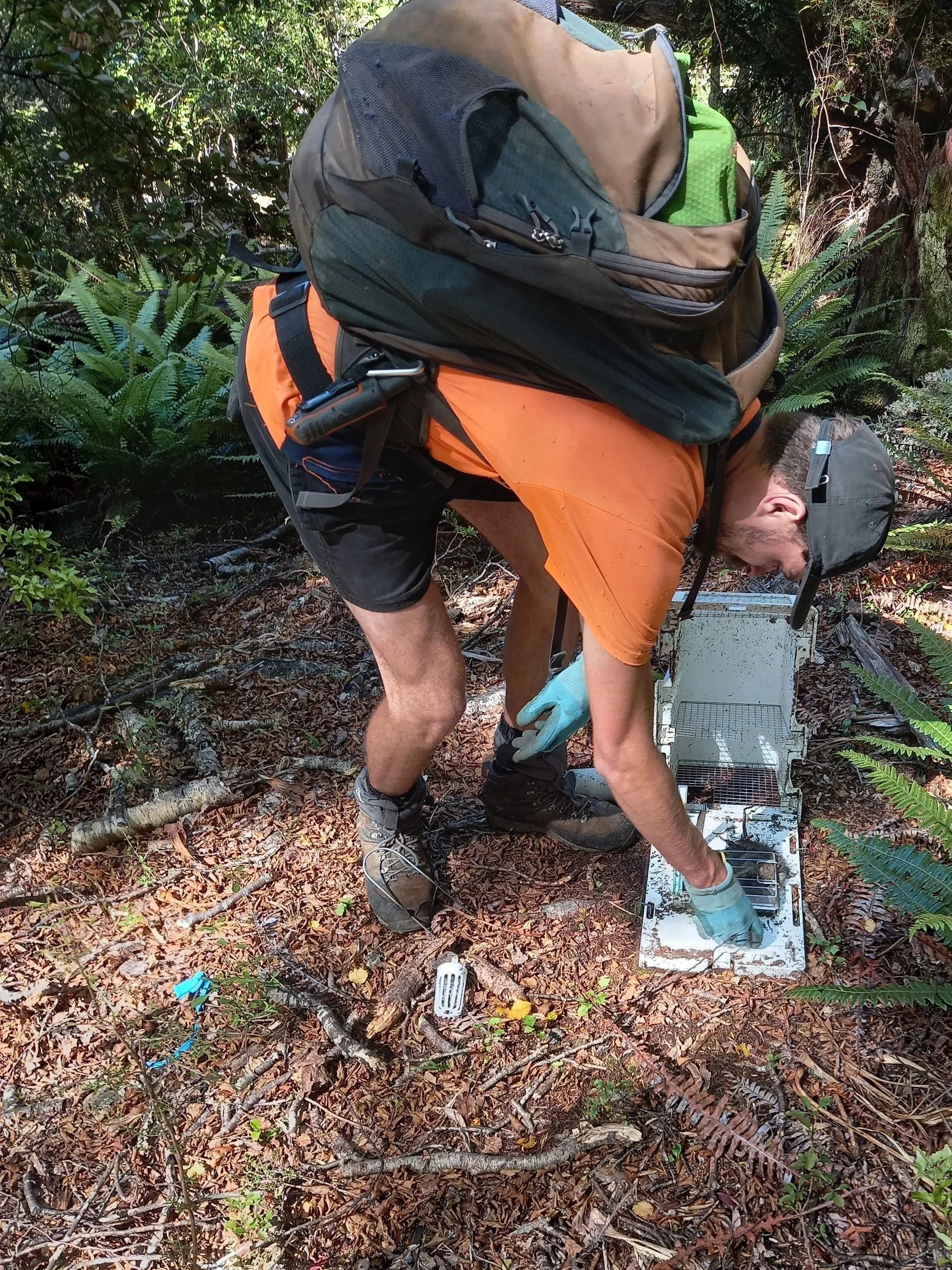
One of the Trust contractors removing a rat from a Trapinator DOC 200, one of over 400 traps in place in the Trust’s Project area on Tākaka Hill.