
Biodiversity Publications, Reports, and Contributions
Tākaka Hill Cave Fauna Assessment 2026 – Report Summary
The Tākaka Hill Biodiversity Group Trust is pleased to release the Tākaka Hill Cave Fauna Assessment 2026, a structured baseline survey of subterranean invertebrate fauna across selected cave systems on Tākaka Hill.
Undertaken during January 2026 in collaboration with volunteer cave specialists and contributing taxonomic experts, the survey provides one of the most comprehensive recent baseline assessments of cave invertebrate life within the Tākaka Hill karst landscape.
Why this work matters
Cave ecosystems are often overlooked in conservation planning, yet they can contain highly specialised species, unique ecological communities, and important hydrological connections with surrounding forests and surface environments.
Tākaka Hill is internationally recognised for its limestone and marble karst systems. Protecting biodiversity on the Hill requires understanding both the visible landscape above ground and the hidden ecosystems below it.
Key findings
The survey:
Confirmed the presence of obligate cave-adapted fauna and other specialised subterranean species.
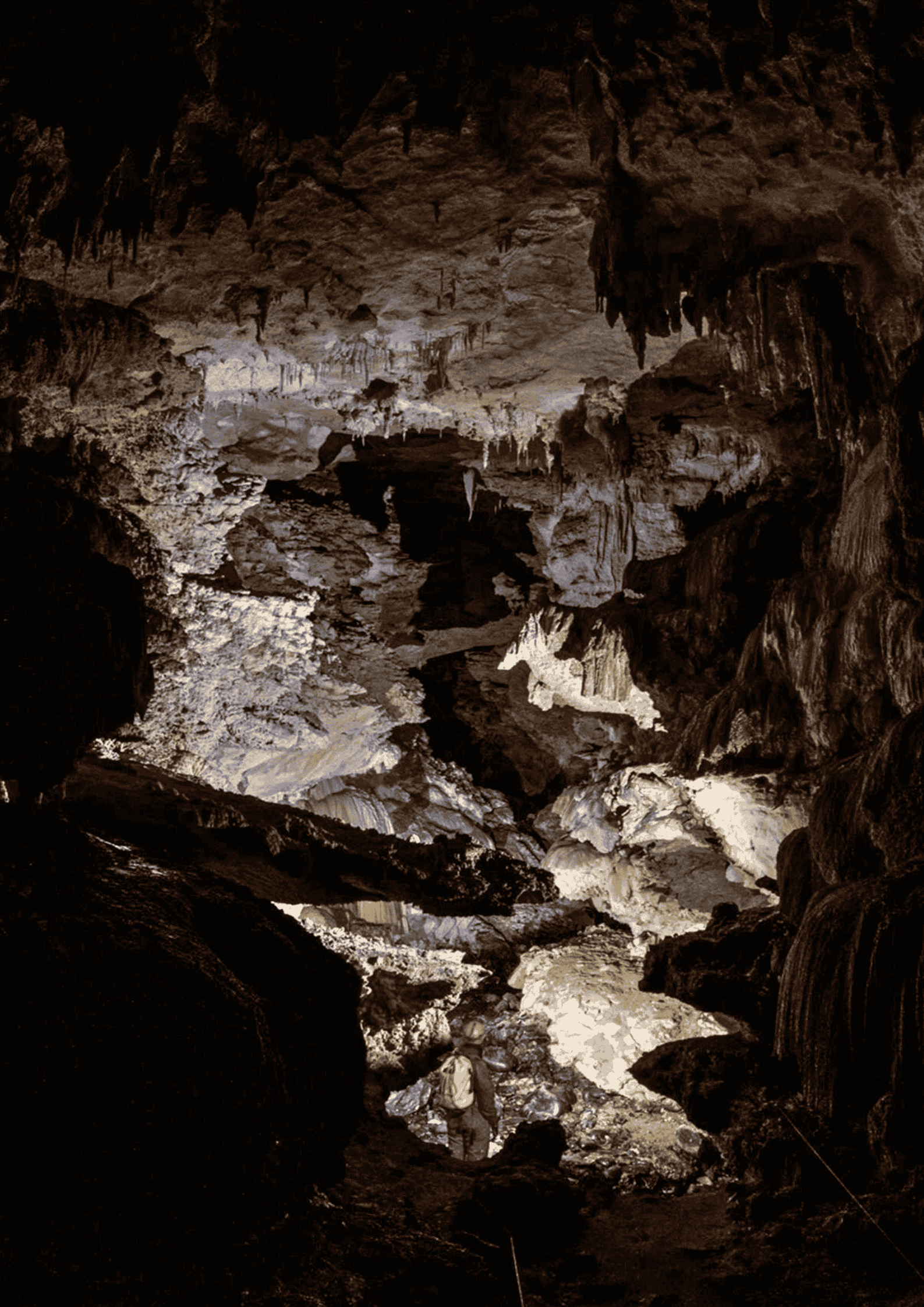
Recorded diverse invertebrate communities across dark zones, twilight zones, entrances, and aquatic cave habitats.
Identified caves of particular ecological interest for future monitoring and protection.
Established a repeatable baseline dataset against which future surveys can measure ecological change over time.
Long-term value
This report provides an important evidence base for future conservation management, restoration planning, biodiversity monitoring, and funding initiatives.
It also strengthens the Trust’s wider landscape-scale programme across Tākaka Hill, including predator control, goat control, native restoration, threatened species monitoring, and the proposed Tākaka Hill Karst Forest Sanctuary.
Acknowledgements
The Trust thanks the volunteer cavers, landowners, contributing specialists, and funding supporters who helped make this work possible, including support from the QEII National Trust Stephenson Fund.
Notable Discoveries:
Isopods (Genus Bilistra): Found in Summit cave, with specimens sent for further analysis.
Springtails: Potentially new subterranean species found in Simply Sumpless cave.
Coleoptera (Kupetrechus lamberti): A widespread troglobitic beetle with unclear distribution.
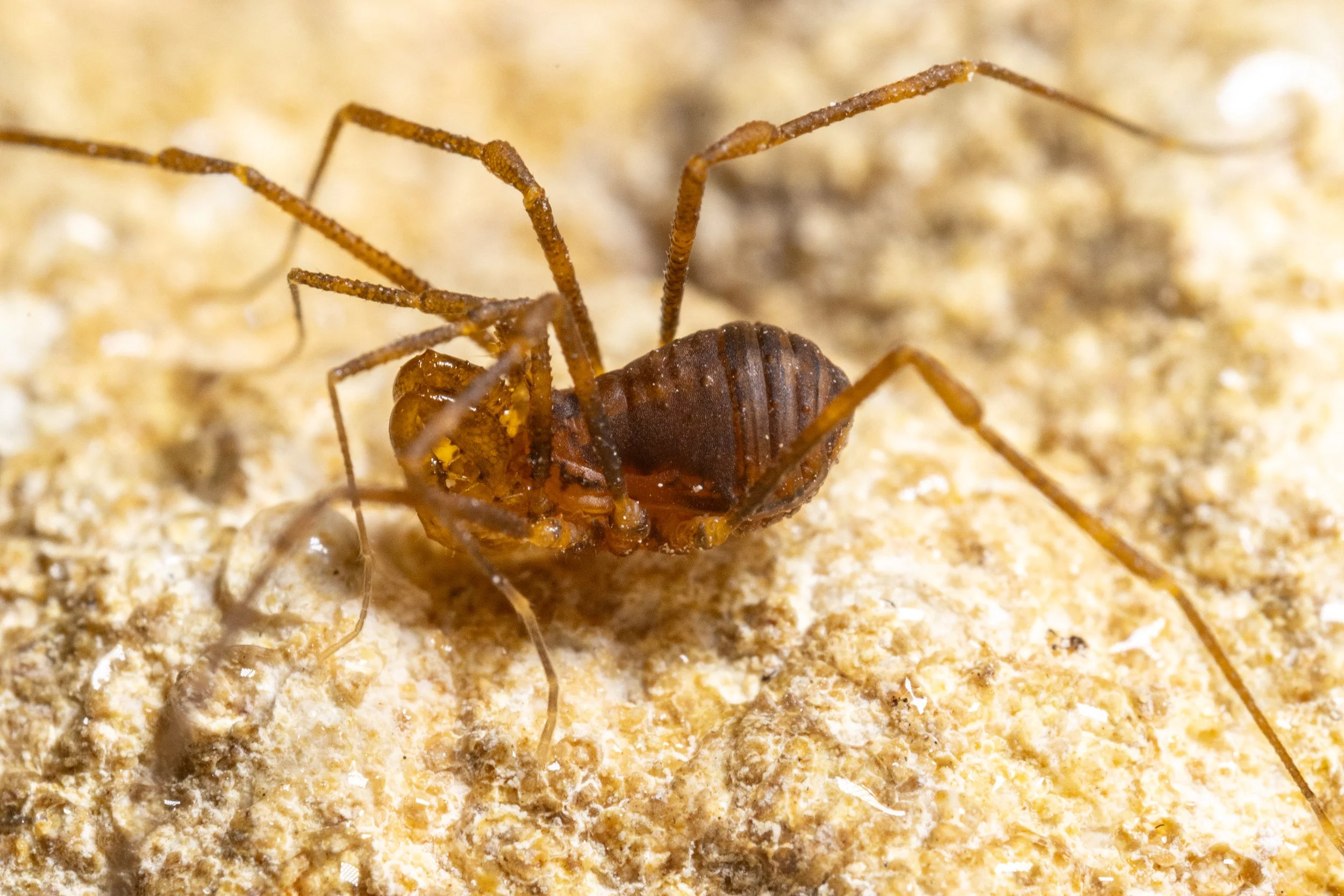
Opiliones (Harvestman): Unique species with unusual distributions, including Hendea takaka and Hendea spina.
Gastropoda (Snails): Groundwater snail species identified in Commentary cave.
Survey Techniques:
Visual searching and in situ photography were used to minimize disturbance to cave fauna.
Invertebrates were identified to the lowest taxonomic level and grouped into morphospecies.
Data was compiled into the Tākaka Hill iNaturalist Project and a cave species database.
Discussion:
Intact cave entrances are crucial for maintaining biodiversity due to their stable microclimates and nutrient input.
Degraded entrances with active streamways showed better biodiversity than those without streams.
Repeated surveys are needed for more accurate data on cave community structures.
Future Management Recommendations:
Protect and enhance bushland around Summit cave.
Monitor and limit visitor numbers in sensitive caves like Hawkes and Kairuru.
Fence off and replant native vegetation around degraded entrances like Kairuru.
Continue biodiversity surveys and establish a national database for cave species.
Promote conservation efforts, including fencing, replanting, and monitoring visitor impacts.
Conclusion:
Collaborative efforts between cavers, landowners, conservation groups, and government agencies are essential for protecting caves and karst ecosystems.
Conservation measures like exclusion fencing, visitor management, and waterway restoration are critical for maintaining biodiversity and mitigating human impact.
Ongoing monitoring, research, and data collection are necessary to ensure the long-term survival of these unique ecosystems.
Tākaka Hill cave survey report
This report presents a comprehensive overview of the cave biodiversity survey conducted in Tākaka Hill and its surroundings in January 2025. Below are the key points:
Purpose: The report was prepared for the Tākaka Hill Biodiversity Group Trust to study cave biodiversity, identify species of interest, compare populations between intact and degraded cave entrances, and propose future management strategies.
Survey Overview:
Conducted over six days in 10 cave systems and 14 entrances.
Caves were categorised as having intact or degraded entrances based on surrounding vegetation and environmental conditions.
Intact entrances were surrounded by native bush older than 20 years, while degraded entrances were in open pastureland or marginal bush less than 20 years old.
Findings:
Intact cave entrances had higher species richness (average 3.7) and abundance (average 9.5) compared to degraded entrances (average richness 2.4, average abundance 4.3).
Intact entrances provide stable microclimates, consistent temperature and humidity, and nutrient sources, supporting higher biodiversity.
Degraded entrances showed lower species diversity and abundance, with snails being the most abundant group.
Tākaka Hill cave entrance and tomo botanical survey
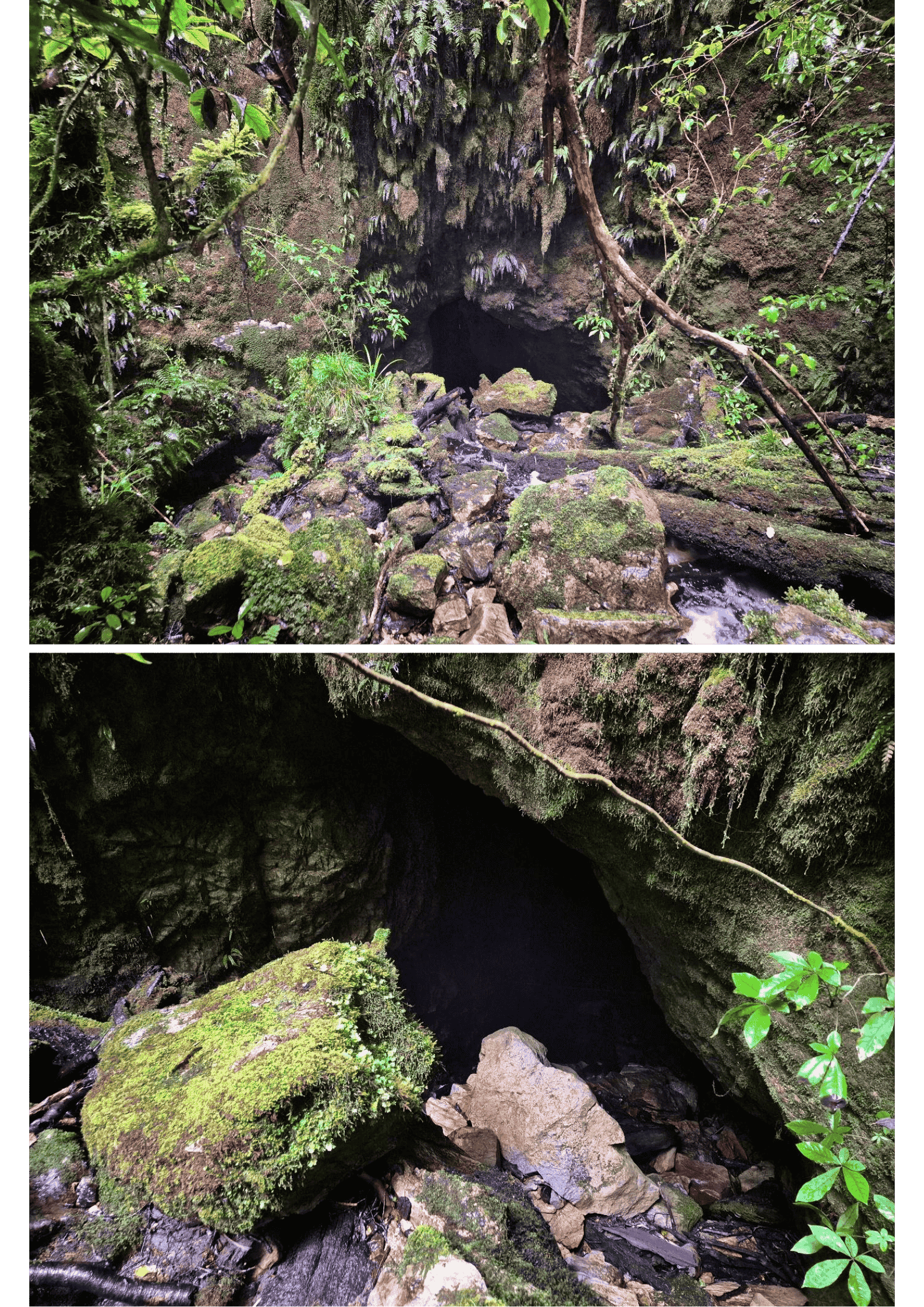
This report, prepared by RMA Ecology Ltd for the Tākaka Hill Biodiversity Group Trust, focuses on a botanical survey of cave entrances and tomo (sinkholes) on Tākaka Hill, a unique ecological area in New Zealand. Below are the key points:
Background:
Tākaka Hill is a geologically and ecologically unique area in New Zealand, known for its marble and limestone karst landscapes.
Cave entrances and tomo are historically rare ecosystems, with cave entrances classified as critically endangered and tomo as endangered.
The Tākaka Hill Biodiversity Group Trust (THBGT) prioritises biodiversity protection and restoration, including documenting flora and fauna in these ecosystems.
Purpose and Scope:
The survey aimed to establish a baseline for flora and assess the botanical values of six selected cave entrances and tomo on Tākaka Hill.
Fauna surveys, focusing on invertebrates, were also conducted, with results presented in a separate report.
Methods:
Six sites were surveyed over six days in October 2024: Walkthrough Cave, Summit Cave, Hawkes Cave, Greenlink Cave, Kairuru Cave, and Petereit Tomo.
Flora surveys recorded vascular and non-vascular plant species along light gradients from cave entrances to twilight zones.
Fauna surveys targeted invertebrates using light traps, manual searches, and aquatic sampling.
Threats:
Key threats include trampling by humans, browsing and grazing by stock and pest animals, exotic species invasion, and environmental degradation from human activities.
Recommendations:
Actions to improve ecosystem health include removing rubbish, controlling exotic species, excluding stock, planting native buffers, managing human impacts, and conducting repeat surveys every 5-10 years.
Conclusion:
The surveyed cave entrances and tomo are ecologically valuable due to their rarity and biodiversity. However, they are fragile and require active management to mitigate threats and ensure their protection and restoration.
The report includes detailed species lists, ecological assessments, and site-specific recommendations for conservation efforts.

Photo: Peter Baker
First report of cave-adapted mite harvesters (Arachnida, Opiliones, Cyphophthalmi) from Aotearoa, New Zealand
The Tākaka Hill Biodiversity Group Trust played a significant role in the discovery and study of cave-adapted mite harvesters in New Zealand. Established in collaboration with the New Zealand Speleological Society (NSG) and supported by the Rātā Foundation and Hāpai Hapori Lotteries Environment and Heritage Funding, the Trust initiated the Cave Fauna Project to survey biodiversity in caves within the Tākaka region systematically. This effort led to the discovery of the cave-dwelling mite harvesters in Woolshed Cave, which prompted the current study. The Trust's work underscores the importance of community-led initiatives in enhancing knowledge of subterranean biodiversity in New Zealand.
The Tākaka Hill Biodiversity Group Trust (THBGT) feedback on the Predator Free 2050 (PF2050) strategy
The THBGT calls for a more inclusive, equitable, and community-driven approach to biodiversity conservation. Our recommendations focus on empowering local groups, prioritising education, integrating Indigenous knowledge, and ensuring transparency and collaboration in strategy implementation.
We stress the need for consistent funding to support predator control and community engagement, noting that volunteer reliance is unsustainable. We call for tangible support for communities, including financial aid, resources, and training to enhance participation.
We raise concerns about advocacy efforts, emphasising that awareness must be accompanied by action and addressing systemic barriers. We emphasise the importance of community trust, which is closely tied to effective communication and financial stability.
Key Focus Areas:
Mobilise for Action: Need for clear funding and training, with realistic community involvement goals and empowerment of local leaders.
Maintain the Gains: Ongoing funding and innovative tools are essential to sustain predator control achievements.
Innovate for Eradication: Advocate for a comprehensive approach that blends scientific and traditional knowledge, ensuring long-term management.
Prepare to Accelerate: Highlighting research gaps and recommending diverse funding strategies to secure predator control initiatives.
We urge for the inclusion of feral cats on the PF2050 national target list and call for integrated predator management strategies. We recommend transparency in data use, investment in community initiatives, and involvement of local leaders in decision-making processes, emphasising collaboration to meet PF2050 goals.
The Tākaka Hill Biodiversity Group Trust (THBGT) Feedback on Implementing New Zealand’s Biodiversity Strategy 2025-2030
We call for a more inclusive and equitable approach to biodiversity conservation, emphasising community empowerment, education, indigenous knowledge, and collaboration in strategy implementation.
Key Areas for Improvement
Community Group Inclusion: The strategy risks sidelining community groups due to centralised decision-making and insufficient consultation.
Funding Allocation: Disproportionate funding favours larger organisations, leaving smaller groups under-resourced and unable to sustain initiatives.
Education for Sustainability (EfS): Limited integration of EfS in schools, with only a small percentage of students engaged in relevant programs.
Transparency and Reporting: Lack of anonymised data-sharing frameworks discourages community contributions and fails to reflect local biodiversity priorities.
Nature-Based Solutions: Over-focusing on forest ecosystems neglects important non-forest habitats like wetlands and coasts that support biodiversity.
Volunteerism and Capacity Building: A declining volunteer base and insufficient resources hinder community-led conservation efforts.
Integration of Indigenous Knowledge: Current strategies do not adequately incorporate mātauranga Māori into biodiversity management.
Recommendations
Community Empowerment: Involve local groups in decision-making and provide tailored support to enhance grassroots initiatives.
Equitable Funding: Ensure fair funding distribution to support smaller community groups alongside larger organisations.
Enhance Education: Make EfS a core curriculum subject and provide teacher training to improve environmental education.
Improve Transparency: Develop systems for anonymised data sharing and include community input in biodiversity reporting.
Broaden Ecosystem Focus: Invest in non-forest ecosystems and demonstrate their importance through case studies.
Volunteer Engagement: Create strategies to attract and retain volunteers and provide necessary training.
Support Indigenous Practices: Involve Iwi and hapū in biodiversity management to incorporate indigenous knowledge effectively.
Foster Collaboration: Encourage partnerships between government, communities, and the private sector to ensure diverse voices in strategy development.
Prioritise Nature-Based Solutions: Focus on investments in non-forest ecosystems and local knowledge for biodiversity and climate efforts.
Build Capability: Address gaps in skills and resources by including community groups in educational planning.