
Nature credit market could help native ecosystems survive, conservationists say
Katy Jones | Nelson Mail July 15, 2026
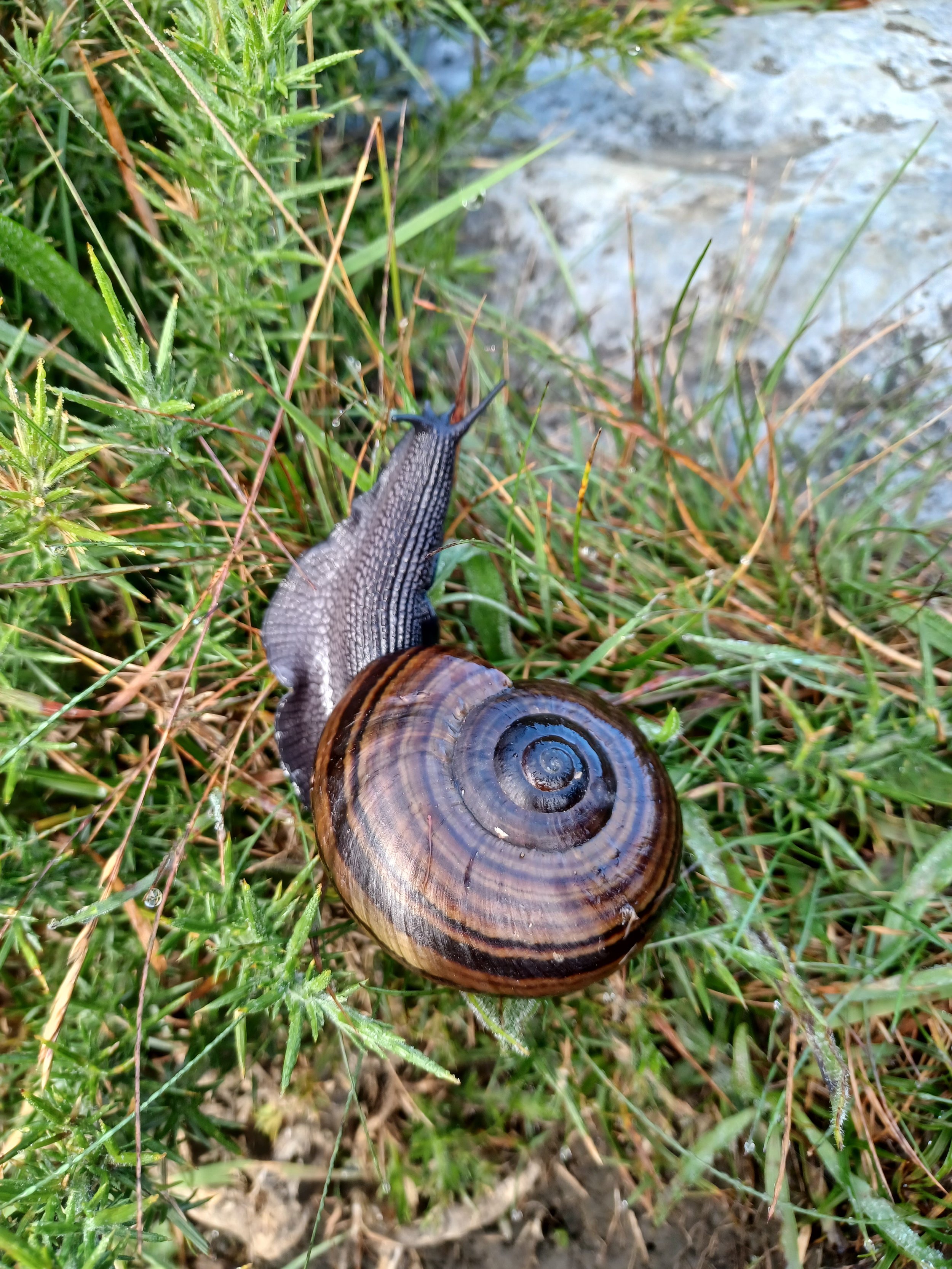
A Powelliphanta hochstetteri /giant land snail found near a sanctuary proposed by the Tākaka Hill Biodiversity Group Trust. The trust says measuring species like powelliphanta helps provide the evidence needed to verify biodiversity outcomes for the pilot biodiversity credit project on the Tākaka Hill. Photo: Takaka Hill Biodiversity GroupThe Government should help stimulate demand for New Zealand’s nature-based credits to help meet the country’s “enormously” underfunded carbon and biodiversity targets, conservationists say. Katy Jones reports.
Giant land snails were a common sight within living memory on the Tākaka Hill, a community-led conservation group says.
Now the species Powelliphanta hochstetteri - found only in the top of the South Island - is at risk of extinction, says Charmaine Petereit, project manager for the Tākaka Hill Biodiversity Group Trust.
Petereit said the native ecosystems that sustained the creatures were threatened.
"If we lose the snails, we know that we're losing whole forests.”
The trust planned to build a predator exclusion fence around 4.5 acres of pristine remnant forest on the stretch of private land, between the Abel Tasman and Kāhurangi national parks, to help protect endangered ecosystems within the unique karst landscape.
But the status quo of applying for short term grants and philanthropy to enable such work didn’t guarantee biodiversity recovery, which took decades and was expensive, she said.
“We don’t always receive the amount we’ve planned for, and we may not receive any funding.”
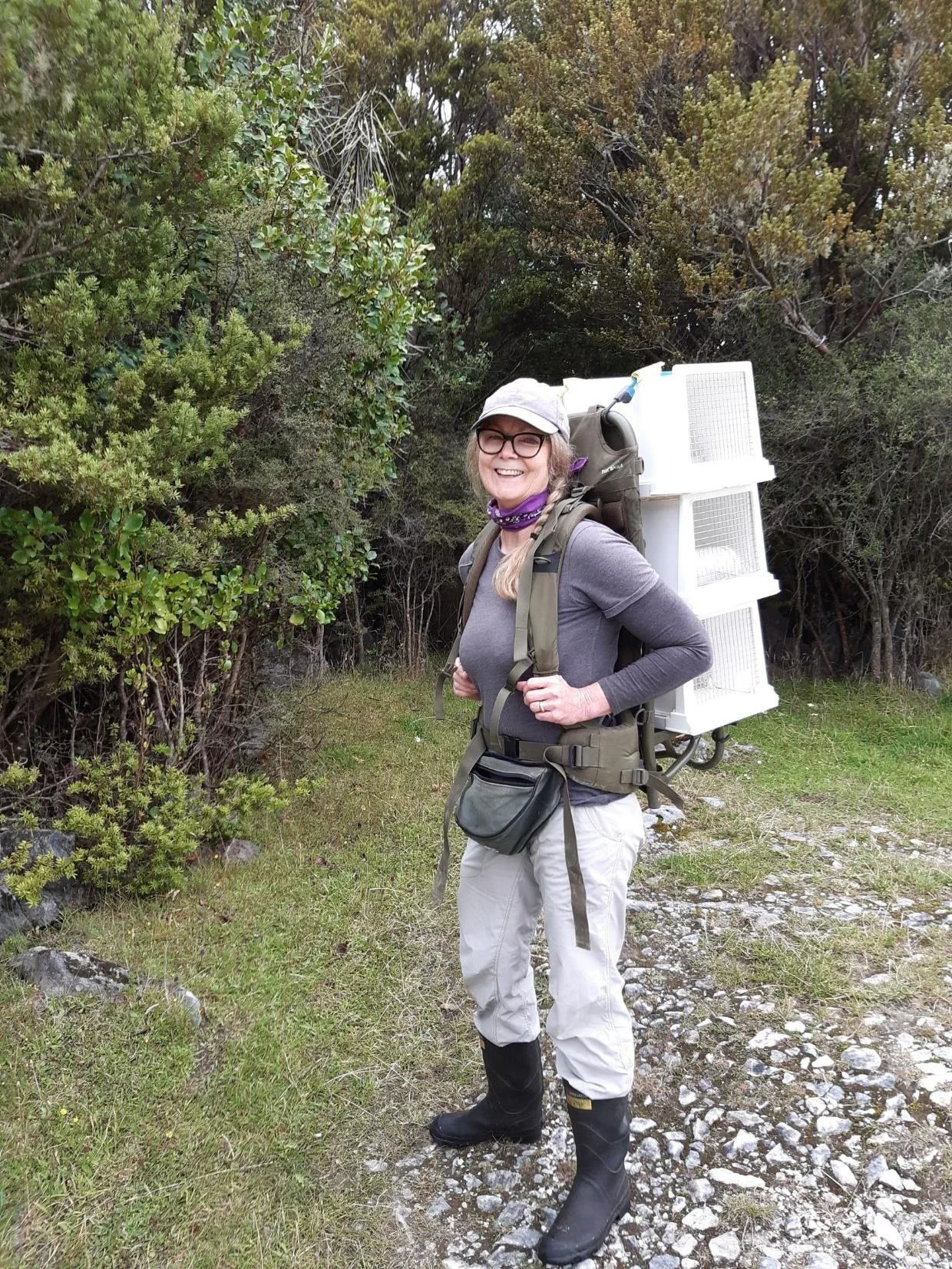
Co-founder of the Tākaka Hill Biodiversity Group Trust Charmaine Petereit carrying traps used as part of the trust's predator control programme on Tākaka Hill.
Photo: Takaka Hill Biodiversity Group
But she said the trust was hoping to tap into a revenue stream that could protect the sanctuary’s biodiversity for future generations.
As part of a programme run by environmental consultancy, Ekos, it was exploring if the project could earn biodiversity credits.
The credits represented “a measured and verified biodiversity gain, resulting from conservation management", Petereit said.
National and international businesses and organisations could choose to buy the credits to help meet their sustainable development goals.
If the sanctuary project was certified to earn the credits, any revenue generated would help pay for the the project’s continued management, monitoring and maintenance.
Petereit said it was a model that could protect biodiversity nationwide.
Ecosystems were “out of balance in most places” in Aotearoa, with most New Zealand biodiversity on private land.
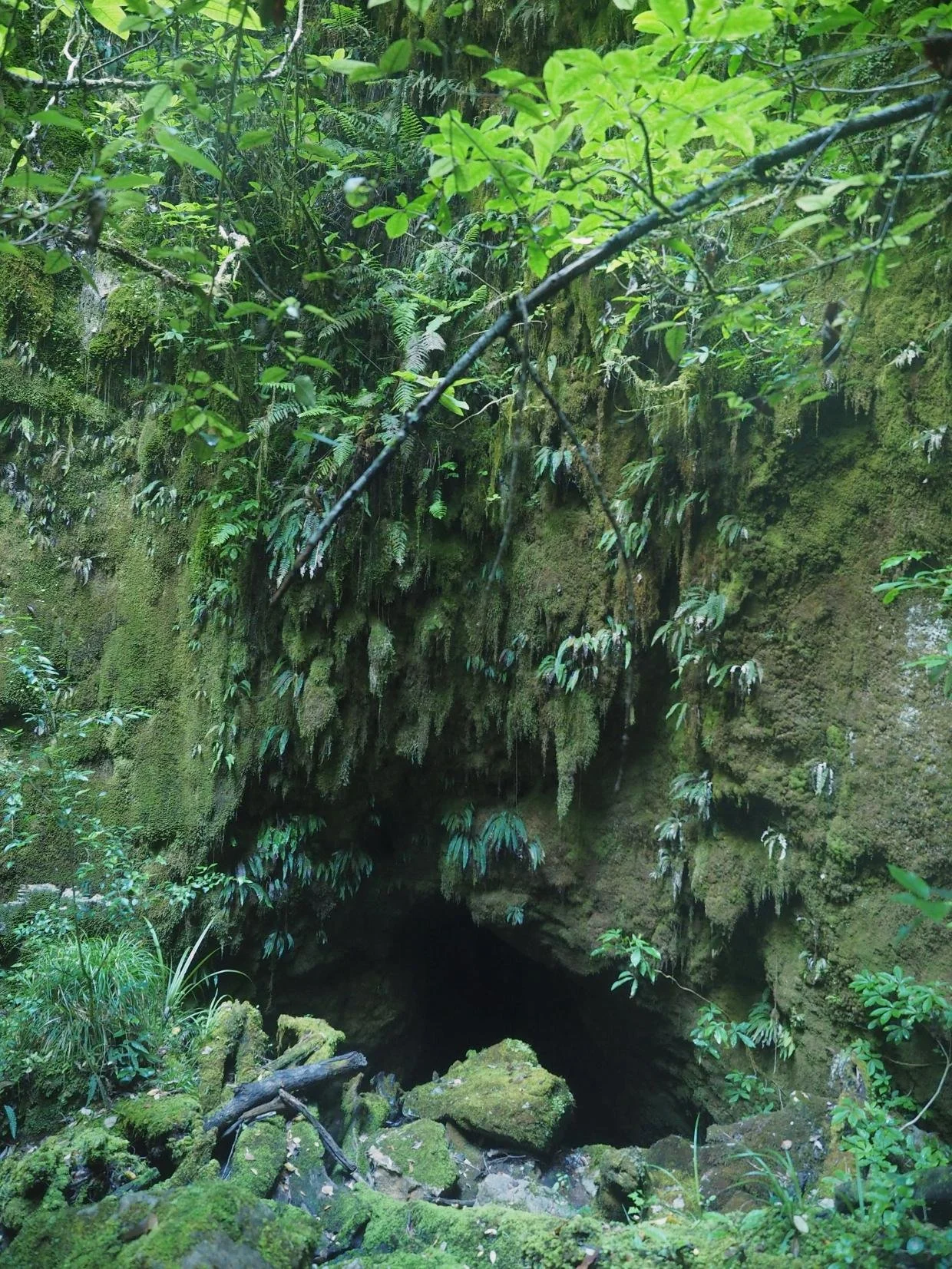
The Karst Forest Sanctuary pilot biodiversity credit project being run by the community-led Tākaka Hill Biodiversity Trust Group protects a significant remnant forest ecosystem situated between Abel Tasman and Kahurangi National Parks.
Photo: Takaka Hill Biodiversity Group
Kiwis were great at starting biodiveristy projects, but the projects died off because of a lack of funding on support, while volunteers had other life priorities.
A recent report commissioned by the Bank of New Zealand said global demand was growing quickly for “high-integrity” nature credits, which included biodiversity credits,
The international voluntary nature credit market, also comprising carbon credits from projects including wetland and forest restoration, was forecast to grow to $35.5 billion by 2030 (from $2.6b today), the report said.
Co-author, The Nature Conservancy (TNC) Aotearoa New Zealand, said New Zealand’s supply of nature credits was limited because of a lack of funding to establish projects, and a lack of confidence to invest, due partly to integrity concerns.
The Government had taken “a good first step” towards improving the latter, endorsing three governance bodies which set standards for high-quality voluntary credits, TNC Aotearoa New Zealand Country lead, Erik van Eyndhoven said.
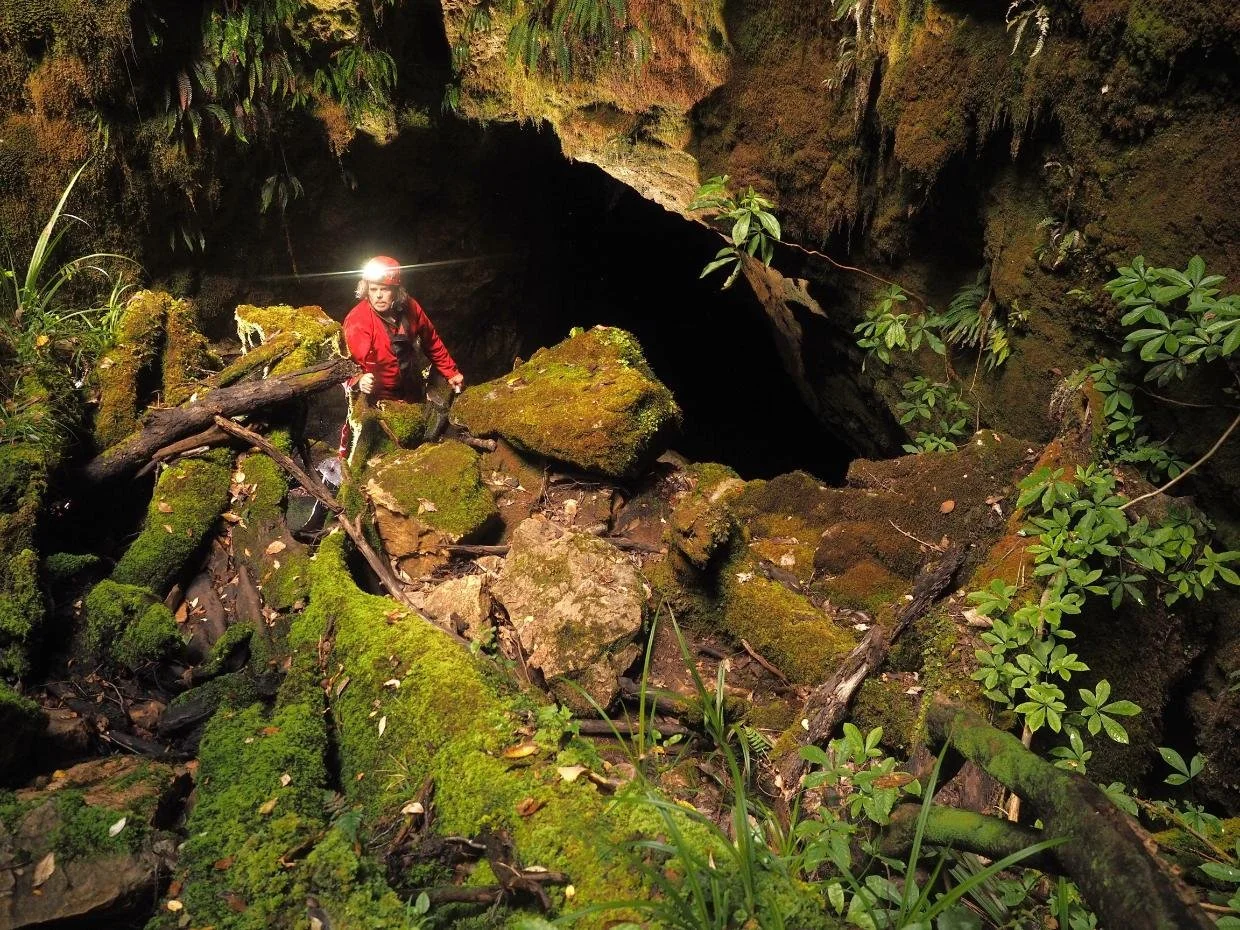
Tākaka Hill Biodiversity Group member, Gavin Holden, helping survey the trust’s pilot biodiversity credit sanctuary project's cave systems. Long term monitoring was essential for the pilot, as biodiversity credits rely on measurable, independently verified ecological outcomes, the trust says.
Photo: Takaka Hill Biodiversity Group
Growing both high-integrity domestic nature credit projects and Government conservation funding, would help fill an “enormous” shortfall in the funding Aotearoa needed to achieve its national biodiversity and climate strategies, he said.
“We need to be able to really radically scale up the amount of restoration in New Zealand.
“It’s going to take I think some very big corporates and other organisations to be able to invest at the sort of scale we need.”
Ekos said it hadn’t be able to scale up its trading in voluntary carbon credits since the consultancy began taking them to the market in 2014.
Big buyers generally didn’t want the credits if the carbon sequestration was counted by the Government as part of its Paris Agreement carbon accounting, chief executive Sean Weaver said.
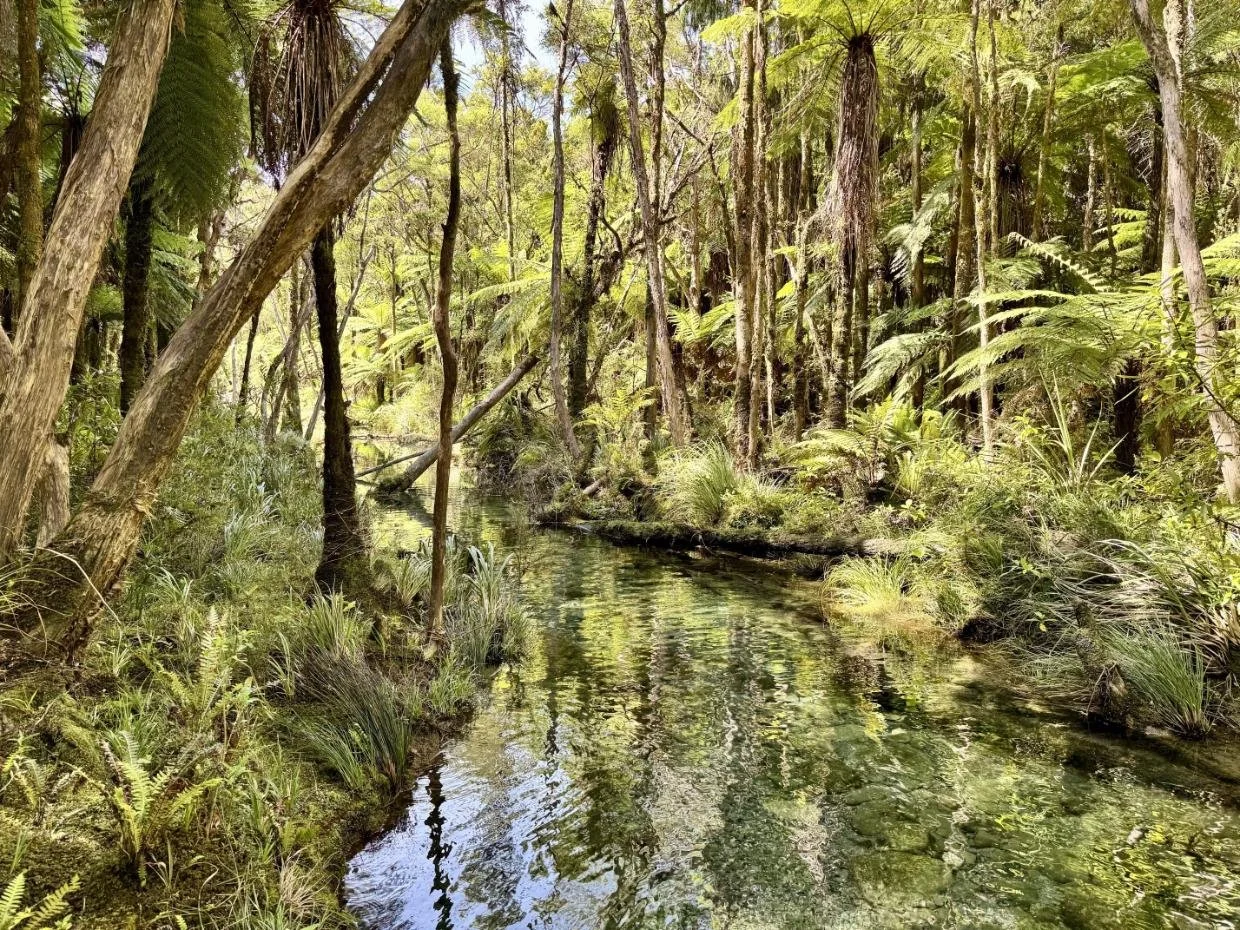
Restoring native habitats like forests, wetlands and riverside areas in lowland river catchments, would help protect communities from flooding, sedimentation and drought, conservationists say.
Photo: Erik van Eyndhoven
“Any time, if you plant a forest in New Zealand ... the Government captures that carbon sequestration in its national carbon accounting.”
The only way to sell the credits to big players (bar them changing their mind) was if the Government issued a “corresponding adjustment”, which deleted a project's carbon sequestration from the New Zealand’s Paris Agreement target, he said.
Weaver said the voluntary carbon market had been going for decades, run by a range of international standards, endorsed by global organisations .
But the biodiversity market “was in its infancy globally”.

Founder of New Zealand-based environmental consultancy, Sean Weaver, says significant barriers need to be overcome to strengthen New Zealand’s participation in the high integrity nature-based credit market.
Photo: Supplied
Ekos was the only company he knew of that was trading internationally in biodiversity credits - from Sanctuary Mountain Maungatautari in Waikato, using a standard and registry for the credits that Ekos had set up.
The standard was certified to the “international standards for standards; the high level principles of the Global Biodiversity Credit Alliance”.
Weaver said there had been no stimulation of demand for the biodiversity market anywhere in the world.
New Zealand needed to be marketed globally as a provider of high integrity credits to harness demand from corporations who needed environmental, social and governance (ESG) reporting, and nature related financial disclosure reporting.
Domestically, the Government could encourage exporters to do stronger ESG reporting.
Associate Minister for the Environment Andrew Hoggard said the government was helping landowners, community groups, developers and buyers identify credible nature and carbon market schemes, so “trust grows and investment follows”.
“There are two pathways: one for schemes already accredited by reputable international bodies, and a new opt-in New Zealand endorsement pathway for local schemes that meet our integrity principles and have had their methods checked. That pathway is being put in place now.”
The Government had seen strong local and international interest in the past few weeks from people wanting to build and invest in projects in Aotearoa, and was looking at further ways to help the market scale up, with advice due in coming months.
While New Zealand didn’t currently offer corresponding adjustments for voluntary carbon market activity, “updated guidance notes this may be revisited”, Hoggard said.
-Nelson Mail